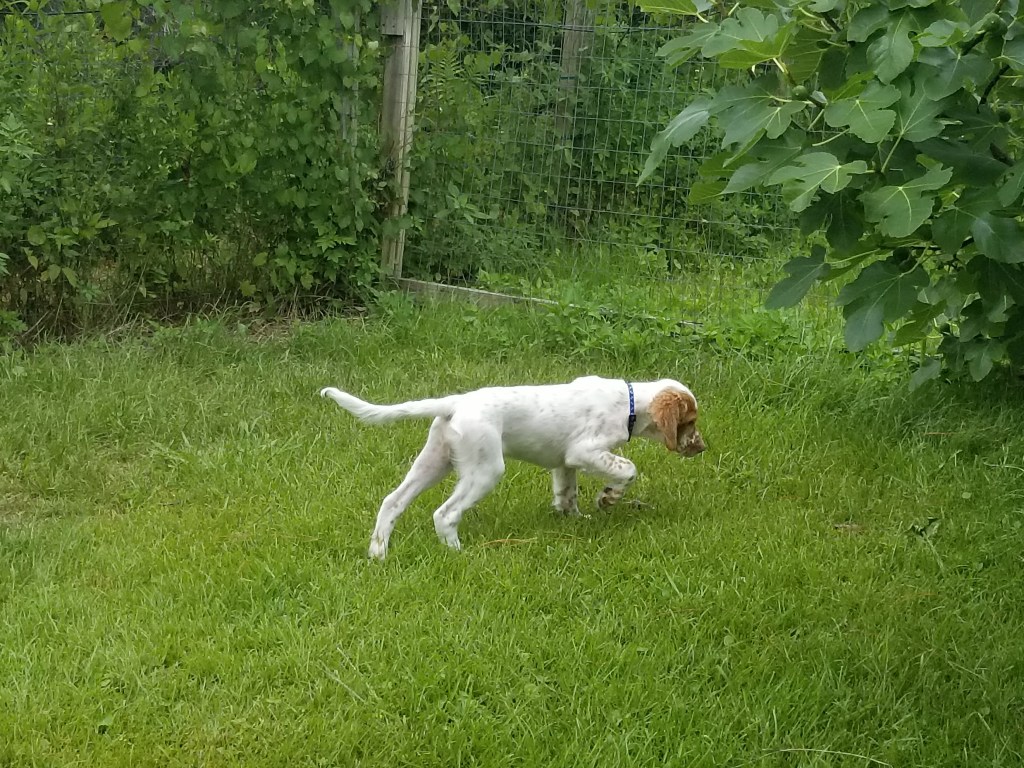
Breed Origins
The Llewellin Setter was developed in the mid-1800s as a specialized strain of the English Setter. It was created by R. L. Purcell Llewellin, an English sportsman who wanted dogs with exceptional hunting ability rather than show appearance. Using carefully selected English Setters, including dogs from the famous Laverack lines, Llewellin focused on traits such as endurance, intelligence, scenting ability, and a strong natural instinct for finding and pointing game birds.
As field trials became more popular in the late 19th and early 20th centuries, Llewellin Setters gained recognition for their consistent performance and reliability. Unlike many setters that were later bred for appearance in dog shows, Llewellins continued to be bred primarily for working ability. This made them especially popular with hunters, particularly in the United States, where field trial competition and upland bird hunting are widespread.
Today, the Llewellin Setter is considered by enthusiasts to be a distinct and carefully preserved line within the English Setter breed that is distinctly noted in the Field Dog Stud Book. Breeders still emphasize performance, temperament, and health over appearance. Because of this focused breeding approach, Llewellin Setters remain well known for their athleticism, trainability, and strong connection to their historical purpose as skilled hunting dogs.
Field Trial History
Llewellin Setters played an important role in the early history of field trials, which began in the late 1800s as a way to evaluate hunting dogs under realistic working conditions. Developed specifically for performance, Llewellins quickly stood out for their stamina, speed, and strong bird-finding instincts. Their ability to work large areas efficiently and maintain intensity over long periods made them well suited to the demands of competitive field trials.
During the late 19th and early 20th centuries, Llewellin Setters became especially popular in field trials in both England and the United States. Many successful trial dogs traced their lineage back to R. L. Purcell Llewellin’s breeding program. These dogs were known for their consistent pointing ability and cooperation with handlers, traits that judges valued highly. As a result, Llewellins helped shape early field trial standards and influenced how performance traits were prioritized in sporting dog breeding.
Although field trial competition later saw the rise of other pointing breeds and lines, Llewellin Setters maintained a respected place in trial history. Their success demonstrated the importance of selective breeding for working ability rather than appearance. Today, Llewellins are often remembered as foundational contributors to field trial culture and as an example of how focused breeding can leave a lasting impact on sporting dog performance.
Llewellin Setters Today
Llewellin Setters are highly regarded today for their intelligence, athleticism, and strong natural hunting instincts. Bred with performance as the primary goal, they are known for their exceptional ability to locate and point game birds with style and focus. Their stamina and efficiency in the field make them especially impressive for hunters who spend long days afield. At the same time, Llewellins are valued for their versatility, trainability, and willingness to work closely with their handlers, traits that continue to set them apart among pointing breeds.
In modern use, Llewellin Setters excel in a variety of organized hunting and performance venues. They regularly participate in field trials, hunt tests, and versatile hunting evaluations, where they demonstrate skills such as bird finding, pointing, retrieving, and honoring bracemates with their well mannered nature. Many are used as dedicated upland hunting dogs for species like quail, grouse, woodcock, and pheasant, while others prove quite versatile in their waterfowl retrieving abilities. Many Llewellin Setters find success in structured testing systems that reward consistency and natural ability. Their versatility allows them to adapt to different terrains and hunting styles, from open fields and marshes to wooded cover.
Beyond competition and hunting, Llewellin Setters are also appreciated as loyal and well-mannered companions. When given enough exercise and mental stimulation, they are known to be calm, affectionate, and people-oriented at home. This balance between high field performance and stable temperament makes them well suited for active individuals and families who enjoy the outdoors. Today, Llewellin Setters continue to prove that a carefully preserved working lineage can remain both highly capable and deeply rewarding in modern life.
 Stone Forged Setters